“Alright, this guy’s definitely full of it.”
Yeah, I’m aware that this title sounds a little absurd. With modern critics demonizing cliches left and right (I’m looking at you, CinemaSins), you might find the idea of actively using them in your stories to be awful. Heck, I myself criticized character cliches in my first blog post.
I can admit to looking down upon cliches when I started this blog because, honestly, I came to love cliches only a couple of weeks ago. Depending on when you’re reading this, I might have edited my first post as well as this one to be less contradictory. Or, I might’ve been impressed with my self-reflective meta dialogue and decided to keep both posts unchanged. I guess you’ll know based on whether you’re reading this right now, huh?
So: character cliches, known more formally as archetypes. How do you use these ever-present tropes without having them feel stale?
Well, I can give you a short answer and a long answer. The short answer:
Just do it.
Yes, Mr. LaBeouf, go and write that underdog character who rises to the top of whatever competition he’s facing, and write him alongside that strict and skilled coach with a traumatic past, while you’re at it.

If you haven’t noticed, all the characters I’ve talked about on this blog can be defined by some kind of cliche. The amnesiac from another time, the orphan turned vigilante, and the siblings who just can’t get along. Pretty fucking shameless, huh? How could I so boldly steal those characters and claim them to be my own?
I just did.
Alright, now for the long answer, which should hopefully answer your questions on why doing this is acceptable, and how you can turn Batman into a creation that you can call yours.
I’m sure you’re familiar with the quote: “There is no such thing as a new idea.” You’d be right in believing that to be true, but you’d be wrong in believing that, and only that, to be true.
Many of the English and writing teachers (and even professors) that I’ve met are all too eager to pluck this quote out of context and ruin everybody’s mood with it. Well, I hardly think Mark Twain meant to kill literature when he first conveyed this idea in his autobiography.
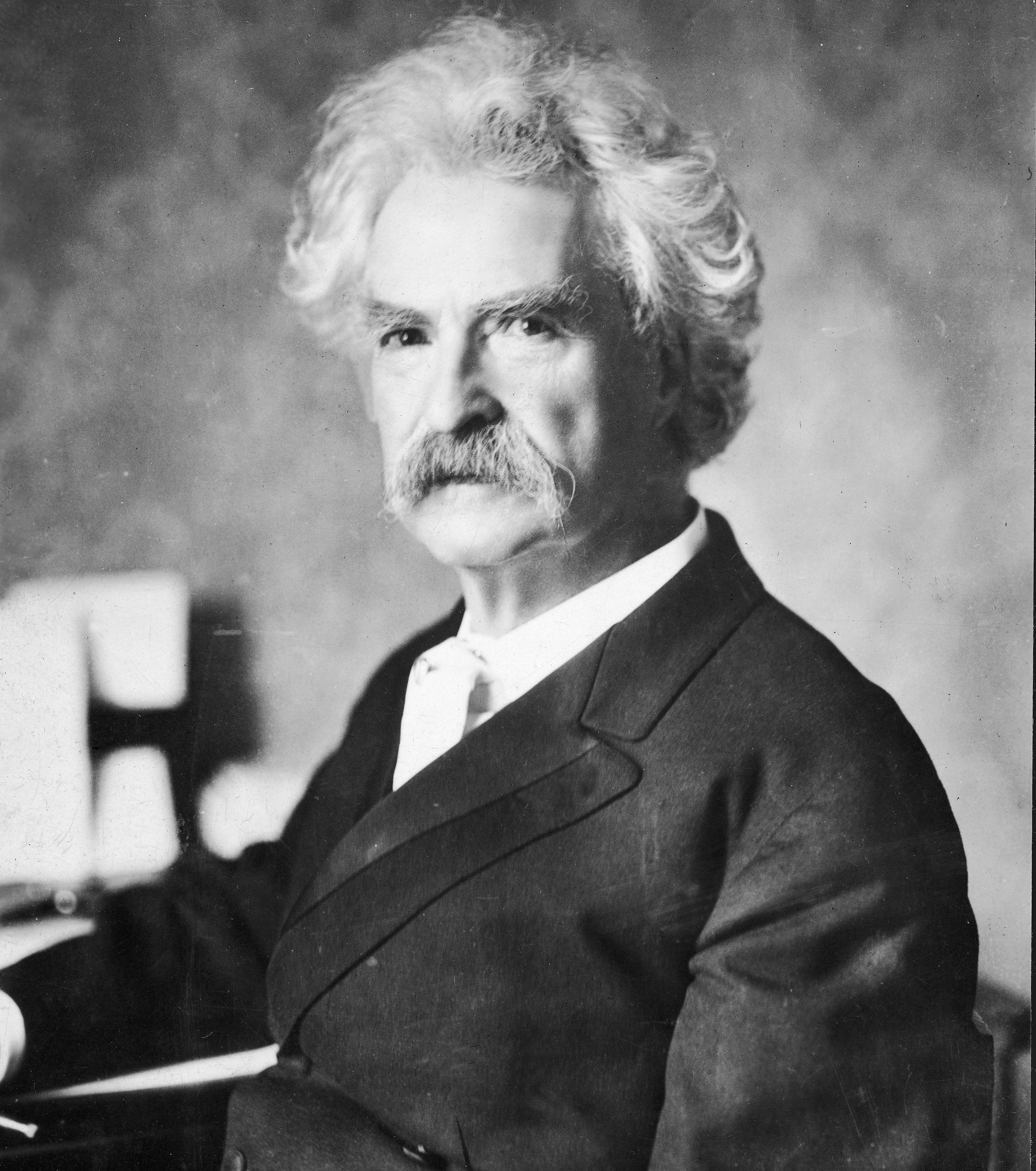
Twain’s book continues from this one sentence, believe it or not, and it states the following: “We simply take a lot of old ideas and put them into a sort of mental kaleidoscope. We give them a turn and they make new and curious combinations.”
I’ll be the one to deliver the mallet of truth upon y’all: you will never come up with an original character concept. And that’s okay.
This is why characters are more than concepts. It may be impossible to come up with a new idea, but I’d argue it’s more impossible (impossible-er?) for writers to run out of combinations of ideas. If you’re the type of critic who insults “cliches” on their surface level: stop it. You’re doing a disservice to the art of literature and to the art of criticism.
One of my favourite examples in proving that not all archetypes are bad is Toradora! — a show that features such stock anime characters as the tsundere love interest (mean on the outside, sweet on the inside), the genki (energetic) schoolgirl, the manipulative beauty, and even the misunderstood protagonist with a heart of gold. How did this show get away with its blatant plagiarism, forget becoming as iconic and successful as it did in North America?
It just did.
Okay, okay, I’m sorry. But it’s really that easy. Instead of wasting time dancing around character tropes, Toradora! embraced these archetypes and made them its own, through its own unique combination of conflict, themes, and scenarios. Toradora! is still one of my all-time favourite shows, and it’s not because of its originality. It’s because of its authenticity.

Of course, it took a mental crisis for me to finally figure this out. You can thank the other cumulative project I have this semester (aside from this blog) for the topic of this post, since that’s what triggered my crisis.
The project in question is a four-episode podcast, and I struggled with the topic of this podcast for weeks — long after I was supposed to have my scripts for each episode written.
I had a fantasy narrative blooming in the back of my mind, but the characters kept serving as a massive creative obstacle. That’s right: even I, the supposed “fantasy character guru” here, struggled with character creation recently. Goes to show that no one, including and especially me, is perfect.
I took all my own tips into account, yet I kept feeling worried about whether the characters felt too cliched. I created Pine: a cloaked female gunslinger encountered in the middle of the woods, with a great amount of trepidation. This was because, after finishing the first episode, I believed she felt too much like a typical tsundere. After this, I highly considered scrapping this narrative idea and falling back upon a safer topic for my podcast.
That was, until I read the script aloud to my editing group. I didn’t think they’d enjoy it nearly as much as they did. In particular, they commented on my strong characters, and how well they bounced off of each other.
As I explained later to them, Pine’s initial hostility toward the protagonist, Romelo, was caused by her having not seen another human in years (it’s tough to explain, but it’s a phenomenon connected with the world they’re both in). Pine’s indignation put Romelo in a series of difficult situations, and Romelo’s awkward responses to these situations gave the narrative plenty of humour, and also revealed more about each of them.
As it turned out, Pine still managed to be a successful character, despite being a cliche. That’s because I didn’t allow her to just be a cliche.
A true example of “bad writing” would’ve been writing Pine as a tsundere without any extra ideas — without a compelling backstory, without any characters to change and be changed by, without any development.
Cliches aren’t just good, they’re necessary. Understanding that and learning to embrace them will allow you to shape them into something that is yours — something that is not original, but authentic.
 Characters in Context
One thought on “Embracing the Cliche — How to Create Character Depth”